%2Ffit-in%2F250x250%2Fusers%2Fdab44c2f-3361-4405-9d51-b8fbd7001f88%2Fimages%2F137b629a-0af6-4d67-9227-cefd1d973d4d.jpeg&w=1920&q=100)
Longfin Yellowtail and Red Grouper Fishing Gulf Breeze FL
Gulf Breeze Fishing - What to Expect
%2F%2Fusers%2Fdab44c2f-3361-4405-9d51-b8fbd7001f88%2Fimages%2Flongfin-yellowtail-red-grouper-catch-2820.jpg&w=1920&q=75)
Fishing Charter by Captain Alan Flanagan in May
Meet your Captain Alan Flanagan
- From Destin To Pensacola Fishing Charters!


Summary
Join a fishing charter in Gulf Breeze on a Friday in May and target Longfin Yellowtail and Red Grouper with expert guidance. This inshore fishing experience showcases the productive waters of the Florida Gulf Coast, where skilled captains know the best structure and conditions for consistent catches.
Fishing Charter with Captain Alan Flanagan - Rates & Booking
Captain Alan Flanagan of Changing Lanes Fishing Charters LLC operates out of Gulf Breeze on Friday, May 23rd. This fishing charter targets species that make the Gulf Breeze waters productive and rewarding for anglers seeking quality offshore and inshore action.
Contact Changing Lanes Fishing Charters LLC directly to discuss trip duration, group size, and current rates. Captain Alan includes his local expertise and professional equipment for the day on the water. All anglers benefit from his knowledge of seasonal patterns and productive fishing grounds around Gulf Breeze.
Reserve your spot to experience this region's excellent fishing opportunities. Book online or call to confirm availability and finalize your charter details.
Highlights of Gulf Breeze Fishing
The Gulf Breeze waters offer diverse structure and habitat that attracts Longfin Yellowtail and Red Grouper year-round. These species thrive in the deeper channels, artificial reefs, and natural ledges found throughout the area. Captain Alan leverages his understanding of seasonal movements and feeding patterns to position anglers for consistent strikes.
Anglers on this charter experience the thrill of hookups on quality gamefish while fishing in the productive Gulf Breeze region. The combination of skill, experience, and understanding of local conditions makes for memorable days on the water.
Local Species Insights: Longfin Yellowtail and Red Grouper
The Longfin Yellowtail is a spirited fighter prized by Gulf Coast anglers. This species inhabits deeper offshore structure, preferring depths where current flows and baitfish congregate. Longfin Yellowtails respond well to live bait presentations and vertical jigging techniques, making them exciting targets for both experienced and intermediate anglers. Their aggressive feeding habits and acrobatic runs create dynamic fishing moments.
Red Grouper represent another signature species of the Gulf Breeze area. These bottom dwellers are structure-oriented fish that hold tight to reefs, wrecks, and ledges. Red Grouper possess impressive strength and use their body mass to retreat into cover when hooked. Successfully targeting them requires precise presentations and understanding of the structure they inhabit. Their prevalence in Gulf waters makes them a staple of local fishing charters.
The Gulf Breeze region combines the habitat requirements of both species, creating opportunities for productive fishing. Structure-rich areas provide holding zones where these fish feed consistently. Captain Alan's familiarity with productive grounds and seasonal patterns positions anglers to encounter quality fish throughout the day. The inshore and offshore options available around Gulf Breeze allow for versatile fishing strategies tailored to current conditions and angler preferences.
Water clarity, temperature, and current flow directly influence activity levels and feeding intensity. Gulf Breeze experiences seasonal variations that affect fish location and bite windows. Spring and early summer often bring excellent conditions as water temperatures warm and baitfish populations increase. Captain Alan adjusts tactics and location based on real-time observations and historical data to maximize your chances of connecting with these dynamic species.
Fishing in Florida: Longfin Yellowtail and Red Grouper

Longfin Yellowtail Overview
The Longfin Yellowtail, scientifically known as Seriola rivoliana, belongs to the family Carangidae and order Carangiformes, making it a close relative of other jack species found in deep offshore waters worldwide. Also called the Almaco Jack, this striking game fish is instantly recognizable by its dusky brown to silvery blue-green dorsal coloring accented with an amber lateral stripe running along its side. What truly sets the Longfin Yellowtail apart from other jacks is its flattened body profile and those characteristic elongated dorsal and anal fins with distinctive sickle-shaped outer edges. Anglers and dive enthusiasts from tropical and temperate regions prize this species not only for its incredible fighting ability but also for the unique encounters—legend has it that curious Longfin Yellowtail will sometimes brush against divers, mistaking them for sharks in search of parasite relief. This benthopelagic beauty is found schooling in small groups across global waters, making it a bucket-list target for serious offshore fishermen.
Longfin Yellowtail Habitat and Distribution
The Longfin Yellowtail thrives as a benthopelagic species in both temperate and tropical waters, typically swimming at depths ranging from 16 to 524 feet in open ocean zones beyond the continental shelf. This fish shows a strong preference for structural features such as wrecks, seamounts, and rocky outcrops where prey congregates and where they can ambush with their lightning-fast strikes. Geographically, the Longfin Yellowtail's range spans from the Indian Ocean through the West Pacific, with established populations in South Africa, the Mariana Islands, Wake Island, the Ryukyu Islands, Kermadec Islands, and New Caledonia. In the eastern Pacific, they range from California down through Peru and around the Galápagos Islands, offering excellent opportunities for offshore anglers along the American west coast. The western Atlantic population extends from Cape Cod to Argentina, though they are less common along the Carolinas; rare sightings have been documented in the eastern Atlantic, including British waters and near Lampedusa in the Mediterranean Sea. Their global distribution makes them accessible to diverse angling communities, though offshore expertise is essential for successful encounters.
Longfin Yellowtail Size and Weight
Most commonly encountered Longfin Yellowtail specimens measure approximately 35 inches in length and weigh between 10 to 20 pounds, making them ideal targets for anglers seeking a manageable yet powerful fight. However, these fish can grow considerably larger, with exceptional individuals reaching up to 60 inches and tipping the scales at an impressive 130 pounds. The larger specimens, while thrilling to hook, are often released by experienced anglers due to the increased risk of ciguatera toxin accumulation—a concern that doesn't diminish the species' reputation as a formidable game fish but rather encourages sustainable catch-and-release practices. The variation in size among populations is likely influenced by food availability, water temperature, and fishing pressure in different regions, meaning that anglers exploring new offshore territories may encounter specimens within the full spectrum of this size range.
Longfin Yellowtail Diet and Behavior
As a carnivorous apex predator of the deep, the Longfin Yellowtail feeds voraciously both day and night, displaying the aggressive hunting behavior that has earned it legendary status among sport fishers. This fast-moving hunter primarily targets bony fishes and baitfish, supplementing its diet with invertebrates such as squid and shrimp—a dietary preference that directly informs successful angling strategies. The species exhibits bold, inquisitive behavior, often approaching anglers and divers without hesitation; in fact, their tendency to brush against sharks (and occasionally unsuspecting divers) to remove parasitic skin infections reveals just how confident and interactive these fish truly are. Their continuous feeding patterns mean that at any given time, a hungry Longfin Yellowtail lurking near a wreck or reef structure is a legitimate opportunity, though early morning and late afternoon periods often produce heightened activity. Schools tend to remain relatively small and tight-knit, adding an element of selectivity to the angling experience—when you locate one group, you've found your target.
Longfin Yellowtail Spawning and Seasonal Activity
One of the most remarkable behaviors of the Longfin Yellowtail is its year-round spawning capability, with this species reported to reproduce throughout the entire calendar year and potentially as frequently as once per week. This continuous spawning cycle, unusual among many fish species, means that actively feeding fish can be encountered in virtually any season, making the Longfin Yellowtail a reliable offshore target regardless of when you plan your trip. The species' ability to sustain such frequent reproductive cycles suggests robust populations and consistent food availability in their preferred habitats, though specific seasonal concentrations may still vary by geographic region. Anglers planning offshore expeditions should consult with local charter operators and guides to identify peak activity windows in their target area, as water temperature fluctuations and baitfish migrations can influence where and when the largest congregations occur.
Longfin Yellowtail Techniques for Observation and Capture
Deep Jigging and Yo-Yo Technique: When targeting Longfin Yellowtail in offshore waters, deep jigging with the yo-yo method proves exceptionally effective, especially when using lures and jigs that match the color profile of local baitfish or blend seamlessly with the surrounding water conditions. Premium brands such as Sumo, Tady, and Salas produce specialized jigs engineered for this application. A typical Penn Jigmaster 500 reel paired with a quality rod provides the strength and precision needed to work depths where these fish congregate. The key is to maintain a rhythmic vertical motion, allowing the lure to flutter downward before snapping it back up—a pattern that mimics wounded prey and triggers aggressive strikes from passing predators. Around popular offshore fishing destinations like Southern California or the Gulf of Mexico, experienced charter captains have dialed in specific lure colors and sizes that dominate their local populations.
Live Bait Trolling and Drift Fishing: Trolling with live baitfish or engaging in methodical drift fishing over known wreck sites and continental shelf structures produces consistent results for Longfin Yellowtail anglers. When drifting, positioning your boat to work structure-rich zones allows natural current flow to present your bait naturally while covering more water. Live squid, shrimp, spoons, and plugs all generate reliable strikes; vary your offerings based on what local tackle shops recommend for your specific fishing grounds. The species' non-selective feeding behavior and willingness to investigate moving targets makes trolling an efficient approach for covering large offshore areas.
Jigging and Chumming Strategies: Combining jigging with strategic chumming creates a devastating combination, as the scent plume attracts distant fish while the active jig or plug triggers feeding responses. Bottom bouncing—carefully working your presentation along sandy or rocky seafloor—can yield impressive catches, as can still fishing when anchored near proven structure. Charter operators across coastal regions from California to the Caribbean routinely employ these hybrid methods to consistently deliver clients exciting encounters with this species.
Longfin Yellowtail Culinary and Utilization Notes
The culinary appeal of the Longfin Yellowtail lies in its dense, thick flesh that remarkably resembles white albacore when prepared raw, making it a prized selection for sushi and sashimi enthusiasts who appreciate its firm texture and subtle oceanic flavor. Smaller specimens are particularly desirable for consumption, as larger Longfin Yellowtail carry higher ciguatera risk—a toxin that accumulates in larger predatory fish and can cause serious illness if ingested. This nutritional concern has naturally encouraged the catch-and-release ethos among serious anglers who value the fight over the table fare. When preparing smaller fish, raw preparations showcase the meat at its finest; however, grilling or baking in foil alongside fresh vegetables yields equally delectable results with complementary flavors. Cooks universally recommend avoiding frying, as the dense flesh tends to trap oil, resulting in an undesirable texture. For optimal flavor and food safety, consumption should occur within three days of capture, though proper freezing and vacuum-sealing methods preserve quality for extended periods, making it feasible to enjoy your catch long after returning from an offshore expedition.
Longfin Yellowtail Frequently Asked Questions
Q: What is the best bait and lure selection for targeting Longfin Yellowtail?
A: Live squid, shrimp, spoons, jigs, and plugs consistently produce strikes. Match lure colors to local baitfish populations or water clarity conditions, and premium brands like Sumo, Tady, and Salas are trusted by experienced offshore anglers for reliability and fish-attracting design.
Q: What fishing techniques work best for Longfin Yellowtail in offshore environments?
A: Drift fishing, deep jigging (particularly the yo-yo technique), chumming, bottom bouncing, and still fishing all produce results. A typical Penn Jigmaster 500 paired with a quality rod handles this strong species effectively, and working depths between 16 and 524 feet near wrecks and structure yields the highest success rates.
Q: Where can I find Longfin Yellowtail in the most accessible locations?
A: Offshore regions along California, the Gulf of Mexico, and southern Atlantic states offer consistent populations. Chartered offshore vessels departing from major coastal ports provide guided access to proven fishing grounds where local captains maintain intimate knowledge of productive structure and seasonal patterns.
Q: Is the Longfin Yellowtail good to eat, and are there any safety concerns?
A: Yes, smaller Longfin Yellowtail offer excellent eating with dense, sushi-grade flesh similar to white albacore. However, larger specimens accumulate ciguatera toxin, making them unsafe for consumption—a reality that reinforces catch-and-release practices among conservation-minded anglers who prize the fighting experience over table utility.
Q: When is the best time to fish for Longfin Yellowtail?
A: Since this species spawns year-round and feeds continuously, viable angling opportunities exist throughout all seasons. Early morning and late afternoon periods typically coincide with heightened feeding activity, though consulting local charter operators about regional seasonal peaks will optimize your offshore adventure.
Q: What makes Longfin Yellowtail such an exciting game fish?
A: Their aggressive nature, powerful strikes, incredible speed, and willingness to engage with anglers without hesitation make them legendary offshore targets. Unlike many deep-water species that require specialized tactics, the Longfin Yellowtail actively pursues presentations and delivers the kind of adrenaline-pumping fight that keeps anglers returning to offshore fishing destinations year after year.
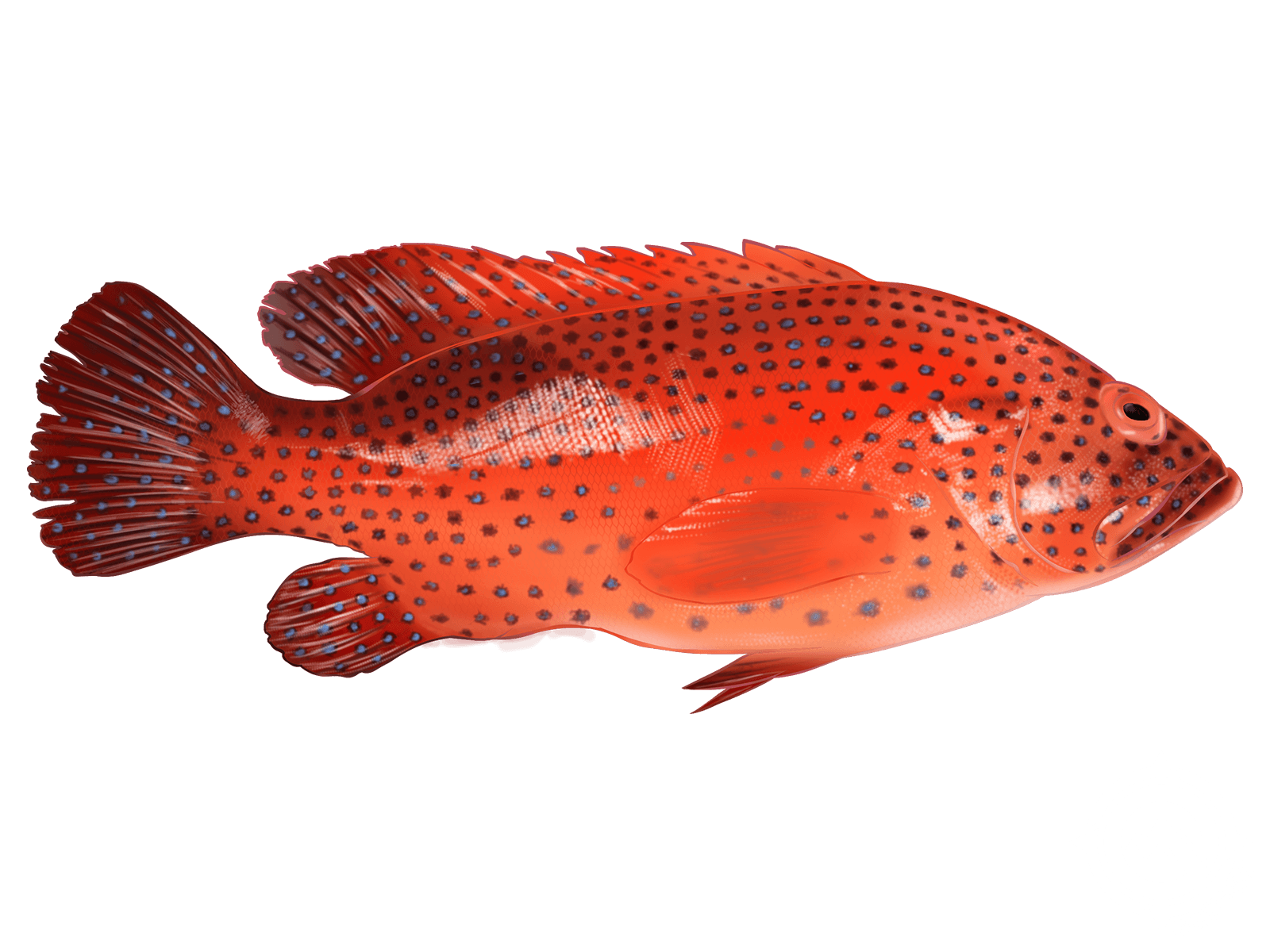
Red Grouper Overview
The Red Grouper (Epinephelus morio) is a member of the Serranidae family within the order Perciformes, and it's one of the most sought-after and commercially important grouper species in U.S. waters. What makes this fish instantly recognizable is its distinctive rusty-red body coloration, complemented by white spots that run from its head all the way to the base of its tail. These fish are robust and meaty despite their moderate size, equipped with a large mouth and razor-sharp teeth designed to hold onto prey rather than tear flesh. If you're fishing or diving off Florida's coast or anywhere along the Atlantic seaboard, there's a good chance you'll encounter this impressive predator. Red Groupers account for roughly 70% of all groupers harvested in U.S. waters, making them the backbone of commercial and recreational fisheries throughout the region.
Red Grouper Habitat and Distribution
Red Groupers are non-migratory fish that prefer muddy and rocky bottom habitats, typically found at depths ranging from 16 feet down to over 1,000 feet, though most recreational anglers encounter them in shallower waters between 10 and 100 feet. They thrive around reefs, ledges, wrecks, and rocky outcroppings where they can hunt effectively and find shelter. Geographically, this species is native to the western Atlantic, ranging from as far north as Massachusetts, down through Florida, throughout the Gulf of Mexico, and extending into the Caribbean and southern Brazil. Whether you're fishing nearshore structures or venturing offshore to deeper wreck systems, Red Groupers inhabit these waters year-round without undertaking significant migrations. Their preference for structured habitats makes them relatively predictable targets, though they remain formidable opponents once hooked.
Red Grouper Size and Weight
While Red Groupers can reach impressive sizes, most anglers catch fish weighing between 12 and 25 pounds, measuring roughly 17 to 35 inches in length. The record for the largest Red Grouper caught on rod and reel was a 42-pound specimen taken off St. Augustine, Florida in 1997, though such trophy-sized fish are exceptionally rare nowadays. Average catches tend to fall in the 5 to 10-pound range, with most fish not exceeding the 2-foot mark in length. Despite their relatively modest average size compared to some other grouper species, their robust and meaty body composition makes them excellent eating. These fish can live remarkably long lives, with some individuals reaching 29 years of age, which contributes to slower population recovery when overfishing occurs.
Red Grouper Diet and Behavior
Red Groupers are aggressive, opportunistic predators that actively hunt throughout the day, particularly during periods of increased current and reduced visibility. Their diet consists primarily of marine invertebrates such as shrimp, crabs, and octopi, though they'll occasionally consume smaller fish species that venture too close to their hunting grounds. These fish are ambush predators that rely on their rocky and wreck-laden habitats to surprise prey, using their large mouths to engulf meals whole rather than pursuing extended chases. They're known for their bold feeding behavior and willingness to strike at bait presentations, making them relatively straightforward targets for anglers. Behaviorally, Red Groupers are territorial fish that establish and defend specific reef or wreck locations, rarely straying far from their preferred habitats. This predictability is both a blessing and a curse—while it makes them easier to locate, it also makes them vulnerable to overfishing pressure in localized areas.
Red Grouper Spawning and Seasonal Activity
Red Groupers are protogynous hermaphrodites, meaning all individuals are born female. As they reach sexual maturity—typically between 7 and 14 years of age—many transition to males, though the exact sex ratio in wild populations remains subject to ongoing research. The spawning season typically occurs between January and April, during which both males and females release sperm and eggs into the water column for external fertilization. Fertilized eggs drift with ocean currents and hatch into larvae within approximately 30 hours. These larvae initially live among zooplankton near the water's surface before eventually settling to the bottom as juveniles, where they take refuge in seagrass beds and shallow structured habitats. Due to the critical nature of this spawning period, commercial and recreational fishing seasons for Red Groupers are completely closed from January through April in most management areas, providing these fish with crucial protection during their most vulnerable reproductive phase.
Red Grouper Techniques for Observation or Capture
Live Bait Presentation: Red Groupers respond aggressively to live bait, particularly live shrimp and crabs, which mimic their natural prey. Target rocky outcrops, reef edges, and wreck structures using light to medium tackle, allowing your bait to work naturally near the bottom where these fish hunt. Around St. Augustine, Florida and other established fishing destinations, guide services frequently use this method in 30-60 feet of water with excellent success rates.
Jigging Techniques: Vertical jigging with 1-4 ounce jigs tipped with squid or shrimp works exceptionally well, particularly around deeper wrecks and hard bottom structures. Drop your jig to the bottom, then work it with short, rhythmic lifts that create vibration and flash. Red Groupers are fierce strikers that typically hit aggressively as your jig falls or ascends.
Cut Bait Method: Fresh-cut mullet, mackerel, or bonito presented on the bottom near structure attracts these fish consistently. Use a standard bottom rig with a 2-3 ounce sinker and circle hook, letting your offering rest on the substrate where Red Groupers naturally forage. Be prepared for a tough fight, as these fish are renowned for their powerful runs and stubborn resistance near bottom structure.
Red Grouper Culinary and Utilization Notes
Red Grouper meat is highly prized in culinary circles, known for its moist, firm, and delightfully flaky texture with a shellfish-like flavor profile that sets it apart from many other fish species. The meat is white to pale pink and holds up beautifully to various cooking methods—whether grilled, baked, fried, or steamed. Commercially, Red Grouper is sold fresh or frozen as whole fish, steaks, or fillets, commanding premium prices at seafood markets and restaurants throughout the country. Nutritionally, grouper provides excellent lean protein, omega-3 fatty acids, and essential minerals. One important consideration: because Red Groupers feed heavily on shellfish, their meat can occasionally accumulate toxins from red tide events, so sourcing from reputable suppliers during clear water conditions is advisable. Sustainability-conscious consumers appreciate that catch limitations and seasonal closures help protect this species, making responsible consumption a meaningful choice for the future of the fishery.
Red Grouper Frequently Asked Questions
Q: What is the best bait for catching Red Grouper?
A: Live shrimp and live crabs are the most effective natural baits for Red Grouper, as they match the fish's preferred natural diet. Fresh-cut mullet and mackerel also work well. The key is presenting these baits near the bottom structure where Red Groupers actively hunt, using enough weight to reach the seafloor without excessive resistance.
Q: Where can I find Red Grouper near major fishing destinations?
A: Red Grouper are abundant throughout the Atlantic coast and Gulf of Mexico. Off Florida's coasts, particularly around St. Augustine and the Keys, productive areas include reef systems, offshore wrecks, and rocky outcroppings in 30-300 feet of water. Check with local charter operators for the most current productive spots, as Red Groupers congregate around specific structural features that shift seasonally.
Q: Is Red Grouper good to eat?
A: Absolutely—Red Grouper is considered one of the finest-tasting grouper species available. The meat is firm, flaky, moist, and features a subtle shellfish-like flavor that appeals to seafood enthusiasts. It's versatile in the kitchen and maintains excellent texture through various cooking methods, making it a worthwhile catch for the dinner table.
Q: When is the best time to catch Red Grouper?
A: While Red Grouper are available year-round in their native waters, the recreational and commercial fishing season is closed from January through April during spawning season. The best fishing typically occurs May through December, with consistent action available whenever current flows through your target structure and visibility is moderate.
Q: How do I know if I've hooked a Red Grouper versus another grouper species?
A: Red Groupers typically put up a powerful, stubborn fight with strong headshakes and runs toward structure. Their aggressive initial strike is usually unmistakable. Once landed, the distinctive rusty-red coloration, white spots across the body, and characteristic head shape make identification straightforward—these features are essentially diagnostic for this species.
Q: Are Red Grouper populations declining?
A: While Red Grouper populations haven't reached critical levels, documented declines have occurred in some Gulf of Mexico regions due to historical overfishing and accidental capture of juveniles by shrimp trawlers. Management measures including catch limitations, seasonal closures, and depth restrictions are actively working to restore populations and ensure sustainable fisheries for future generations.